How a grandparent far away can read to a grandchild
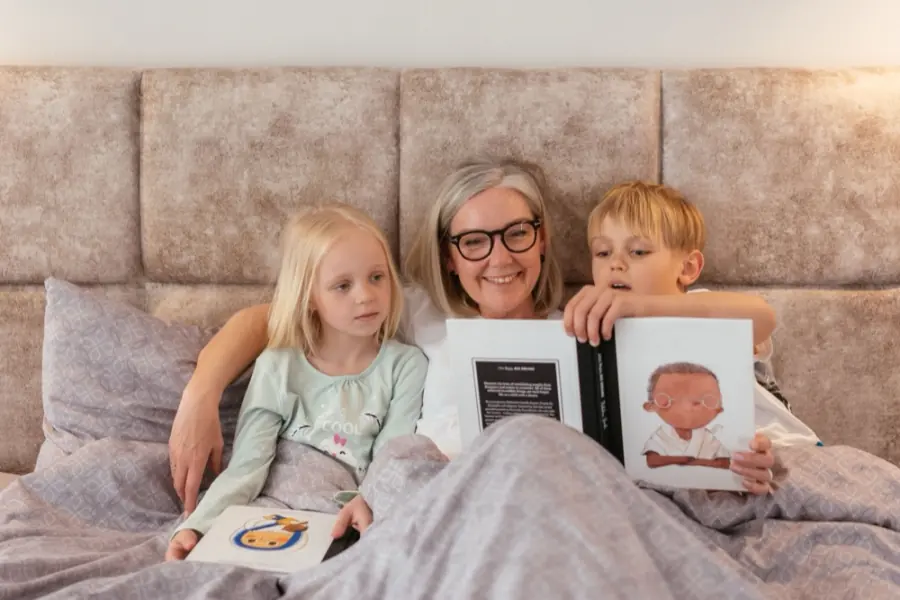
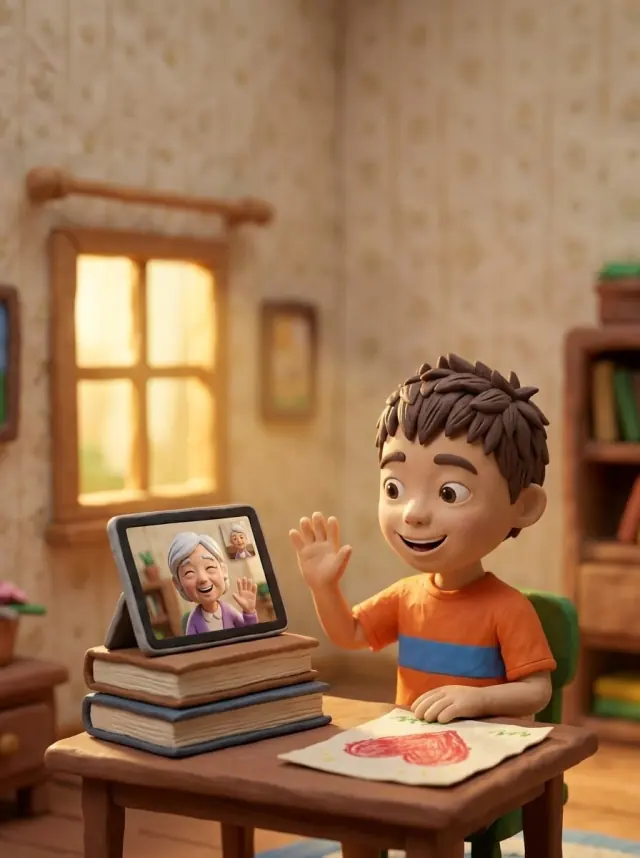
Use a live video call when you can both be there, and a recording for the nights you can't. Most families will want both.
Four ways to do it
What research says about calls and recordings
In a small study, children aged 22 to 25 months learned new words from live video chat but not from pre-recorded video. So a recording doesn't replace a call, especially for a very young child.
A recording's value is simpler: it's there when the grandparent can't be. We know of no good research on bedtime stories in a familiar recorded voice.
Making it a habit
- Keep to a regular time. A weekly slot is easier to keep than a nightly one.
- Have the same book in both homes. Your child can turn the pages while Grandma reads.
- Keep calls short. One story and a chat is plenty.
- Read in the language you share. It may be the one your child hears least.
How it works with TeddyReads
TeddyReads began because its founder wanted his niece and nephew, who live far away, to see themselves inside a story. Make the book, then have Grandma sign in to your account from any phone or computer and read aloud for about a minute. The whole book plays in her voice, and so can every book you make afterward.
Questions families ask
Is a video call or a recording better for a toddler?
For learning, the evidence favors live calls, since toddlers in one study learned new words from live video chat but not from recordings. A recording helps when a live call isn't possible.
Does the grandparent need to be good with technology?
No. To record for TeddyReads, they sign in to your account and read aloud for about a minute. You can also do it together on a call.
Who can hear the recorded voice?
Only your family. It is never shared with anyone else or reused for anything else.
How much does it cost?
Your first TeddyReads e-book is free with no card needed, and recording a voice is free. Later e-books are €5.99 (£5.99 in the UK, $5.99 elsewhere).